

Unlocking American Skies: BVLOS Takes Center Stage With the FAA’s Proposed New Rule
/Introducing the Autonomy Global Resource White Paper by Sarah Nilsson
America’s airspace teeters on the brink of transformation. On August 5, 2025, the Federal Aviation Administration (FAA) released its long-anticipated Notice of Proposed Rulemaking (NPRM) for Beyond Visual Line of Sight (BVLOS) drone operations. This 700+ page document crystallizes years of research, debate and hope for a regulatory framework that could finally unleash the industry’s full potential. In the new Autonomy Global Resource, “The BVLOS Rulemaking: Performance-Based Drone Operations in U.S. Airspace,” renowned aviation attorney and academic Dr. Sarah Nilsson distills these sweeping rules into a white paper to guide and inspire industry action.
Breaking Down Barriers: The Regulatory Revolution
“For the first time, we are seeing structural change that makes BVLOS not just possible, but practical for a range of critical mission types,” said Nilsson, Esq., PhD, ATP, CFI, who has dedicated her career to aviation law and drone safety. Her NPRM analysis provides top-tier insights vital for anyone navigating U.S. drone policy.
Nilsson’s work frames the crux of the NPRM as a risk-based framework. “The FAA’s shift to performance standards is a watershed, empowering operators while keeping security front and center.”
The new rules replace the current waiver-based model with standardized permits for low-risk flights and robust certificates for more complex or expansive missions. Operators in fields from agriculture to logistics will find clearer pathways, with approvals scaled to the size, scope and population density of each operation.
Key Highlights: What’s New, What’s Possible
The FAA’s proposed BVLOS regulations signal a major turning point for the integration of drones into the national airspace. By embracing performance-driven standards, these proposed rules open unprecedented opportunities for unmanned aircraft systems. Operators, innovators and public agencies alike can now envision safer, more efficient, and dramatically broader drone missions. For the first time, the practical realities of scalable, routine BVLOS flight seem within reach. Here are a few takeaways from the paper:
● Expanded Mission Types: BVLOS will revolutionize not just package delivery, but also aerial surveying, agricultural applications, public safety and recreational flight.
● Altitude Control: Operations are restricted to below 400ft AGL to ease integration with crewed aircraft and infrastructure, while launch sites must remain access-controlled for safety.
● Strategic Authorizations: Each operator must seek FAA approval for specific, bounded operational areas—no more blanket waivers. “This structure moves us from aspirational use cases to scalable daily operations,” Nilsson noted.
● Automated Data Service Providers: Operators are now required to use (or become) FAA-approved ADSPs for strategic and dynamic conflict management, a foundational step toward integrating third-party software and UAS Traffic Management (UTM).
● Streamlined Safety and Airworthiness: Drones up to 1,320lb (including payload) bypass full FAA airworthiness certificates, provided they conform to consensus standards. This opens the door for rapid innovation in heavier-lift and cargo drones.
● Permit and Certificate Pathways: Two regulatory tracks allow for fast permitting of limited, low-risk flights, and thorough certification for operations involving larger fleets, heavier aircraft or flights over higher population densities.
Nilsson’s deep dive reveals additional details for commercial operators and manufacturers, such as “Manufacturers hold new responsibilities for after-market repairs, data access, and compliance, ensuring safety at every phase—not just design and build.” Other nuggets include that third-party vendors can now play bigger roles, provided overall accountability is maintained. For agriculture, special permits require training in chemical handling and emergency protocols, safeguarding both pilots and the public against hazardous materials.
Shielded and Remote ID Operations
The FAA’s vision includes “shielded” BVLOS flights—those within 50ft of infrastructure or designated areas—permitted without further authorization. This empowers surveyors, inspectors and urban planners to conduct close-proximity operations around buildings and bridges with unprecedented freedom. Meanwhile, Remote ID requirements transform every drone into a node of real-time situational awareness for law enforcement and security partners.
The Voice Behind the Resource
Nilsson’s authority stems from over a decade at the crossroads of aviation law, drone policy and education. As an associate professor at Embry-Riddle Aeronautical University, she has authored legal texts that shape the field, led FAA Safety Team seminars and remains a sought-after speaker at industry forums. Her approach to the BVLOS NPRM is analytical and visionary.
Her inspiration to cull through more than hundreds of pages of text to distill it down into a user-friendly resource, in her words: “The FAA’s new BVLOS framework is more than regulation—it’s an invitation to help define the future of flight, where innovation and safety walk hand-in-hand.”
Nilsson’s white paper at Autonomy Global is more than a summary. It’s a resource that translates 700+ pages of federal rulemaking into actionable insights. With annotated tables mapping operation types, weights, fleet sizes and permit categories, it offers clarity for enterprise-scale adoption and entrepreneurial experimentation.
The Bigger Picture: Toward Routine Integration
For years, the promise of BVLOS has been stifled by red tape. Operators have been forced to secure waiver after waiver, rarely achieving sustainable, repeatable flight. Nilsson’s interpretation of the NPRM is optimistic. “For commercial drone operators, this is a pivotal moment. The framework doesn’t just recognize the diversity of drone missions—it gives each use case the regulatory oxygen it needs to scale,” she said.
The FAA’s approach, as Nilsson observed, doesn’t shy away from risk. It manages it through dynamic, population-based assessments that leverage LandScan USA data and consensus safety standards. Multiple layers of oversight, from designated corporate security coordinators to continual operational training and recency, ensure the new freedoms are paired with enduring responsibilities.
Enticement to Read Further
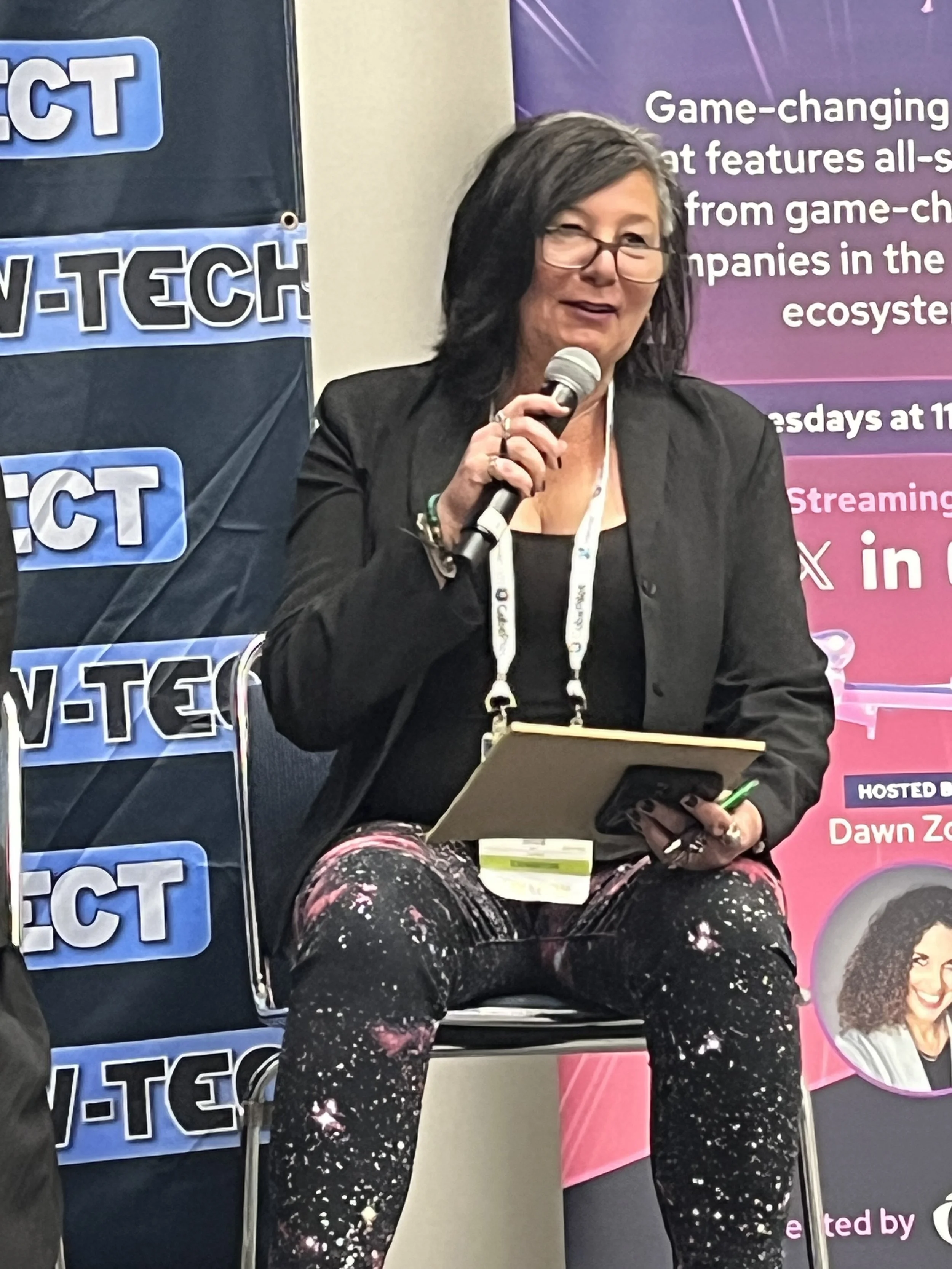
Sarah Nilsson
Autonomy Global’s Resource Page, featuring Sarah Nilsson’s white paper, isn’t merely academic. It’s a launchpad for drone innovators and industry decision-makers ready for what’s next. For those who wish to shape American skies with the FAA, this paper should prove essential.
As Nilsson put it, “The NPRM lays the groundwork, but it’s industry dialogue and commentary during this phase that will refine and perfect the new era. Read the white paper. Read the NPRM. Get involved.”
The full white paper, “The BVLOS Rulemaking: Performance-Based Drone Operations in U.S. Airspace,” is available now at Autonomy Global’s Resources page. For operators, manufacturers, regulators and anyone with a stake in the future of drone flight, this is your invitation to join the conversation, seize new opportunities and help author the next chapter of American aviation.
Discover more and download the complete white paper at Autonomy Global’s Resource Center: https://www.autonomyglobal.co/resources/the-bvlos-rulemaking-performance-based-drone-operations-in-u-s-airspace/
Sarah Nilsson is The Drone and AAM Regulation Ambassador for Autonomy Global. She is published widely in drone law and advanced air mobility and leads critical aviation law education initiatives. Her contributions to drone policy shape the regulatory landscape and the next generation of aerial innovators.
