

Beyond BVLOS: How Parts 108 and 146 Could Reshape U.S. Drone Operations
/For years, beyond visual line of sight (BVLOS) operations have represented one of the biggest opportunities for the U.S. commercial drone industry. It has also become one of the biggest regulatory hurdles.
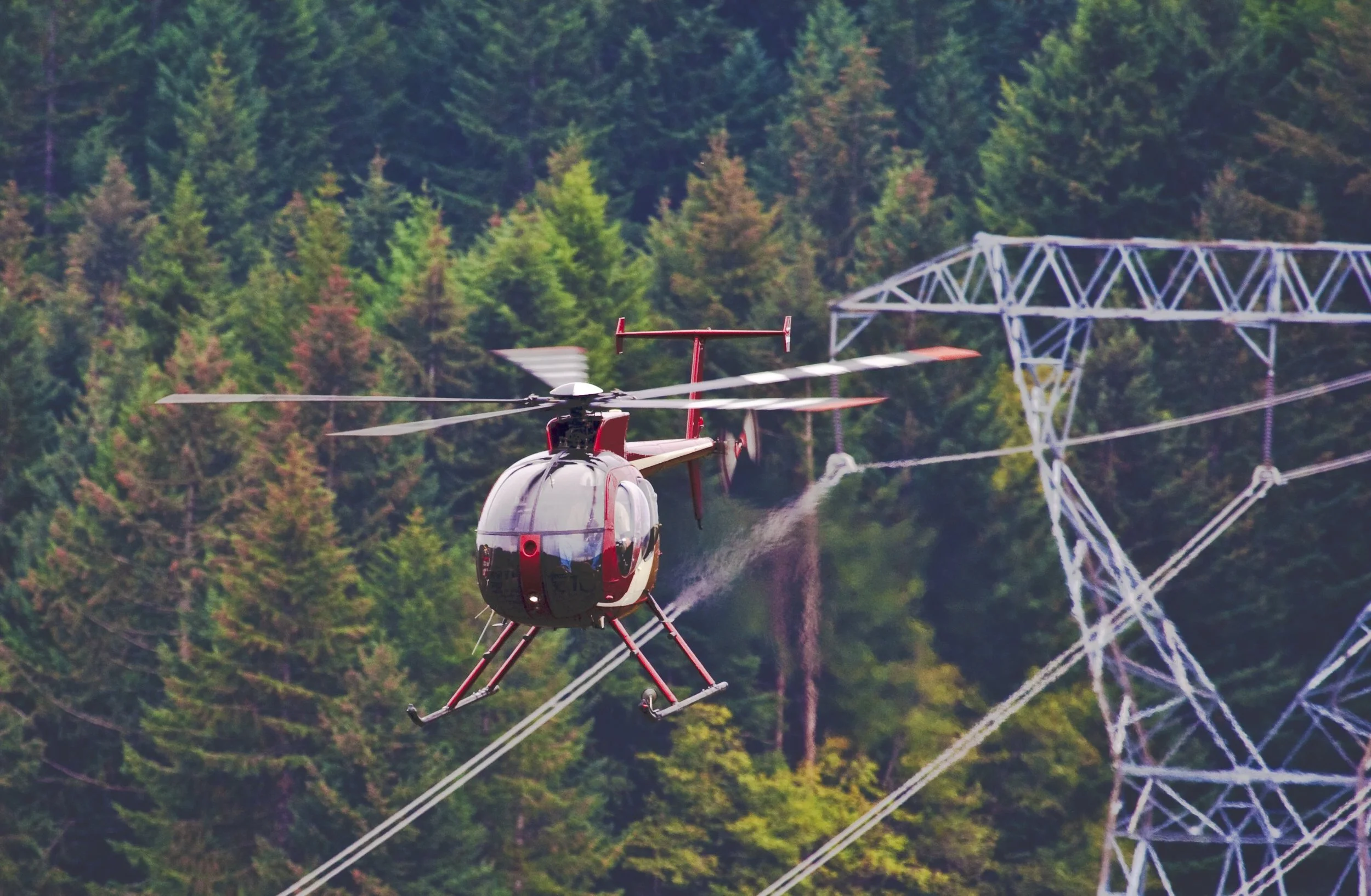
Technology that facilitates BVLOS has steadily advanced:
Drone docks can launch aircraft remotely
Detect-and-avoid (DAA) systems can help identify conflicting traffic
Automated platforms can operate with limited human intervention
These capabilities make it possible to imagine drone programs that cover hundreds or thousands of miles of infrastructure without positioning a pilot alongside every aircraft. Regulation, however, has largely remained built around a different operating model.
Under Part 107, BVLOS operations generally require an FAA waiver that operators obtain through case-by-case reviews, making successful programs difficult to replicate and scale. The FAA's proposed Part 108 is intended to change that by establishing a standardized framework specifically for routine BVLOS operations.
Alongside the proposed Part 108 BVLOS framework is another potentially consequential regulatory development: Part 146, which addresses the Automated Data Service Providers (ADSPs) that could supply safety-critical information to drone operators.
In simplified terms:
Part 108 is about how organizations conduct BVLOS operations
Part 146 is about the digital services and information infrastructure that can help those operations happen safely
Together, the two frameworks illustrate how the FAA is preparing for an aviation environment built around increasingly automated aircraft, networked operations, and digital airspace services.
Part 108: BVLOS Becoming Routine Operation
Today, Part 107 remains the primary framework governing small commercial drone operations in the United States. It generally assumes visual line of sight, individual remote pilots, and aircraft weighing less than 55 pounds.
BVLOS is possible, but operators typically need a waiver. That means demonstrating to the FAA that a proposed operation can achieve an acceptable level of safety despite deviating from the standard Part 107 requirements.
That approach has enabled important BVLOS programs, but it is poorly suited to an industry trying to scale.
The proposed Part 108 would establish a dedicated pathway for BVLOS instead. Rather than repeatedly treating BVLOS as an exception, qualifying organizations could operate within a regulatory framework designed around these missions from the beginning.
For industrial operators, the most important change relates to scale. A utility, for example, could move from individual BVLOS waiver projects toward repeatable inspection operations covering large sections of transmission or distribution infrastructure. A pipeline operator could build routine long-range inspection missions into its asset-management program. Drone-in-a-box systems could operate from remote facilities with personnel supervising missions from centralized operations centers.
These examples are all fundamentally different from sending a pilot into the field with a drone.
Regulation Shifts from the Pilot to the Organization
Part 108 also reflects an important change in where responsibility lies (and flies).
Part 107 is heavily centered on the remote pilot. Under the proposed Part 108 framework, however, responsibility shifts toward the operating organization and its systems, procedures, training, and oversight.
Automation increasingly handles the mechanics of flight while people supervise the overall system. The result is a model in which humans remain responsible for safety but may no longer be manually controlling individual aircraft throughout every mission.
That could have significant implications for enterprise drone programs. Scaling successfully will require building centralized operational capabilities, including fleet management, maintenance, cybersecurity, and compliance.
Allowing organizations to oversee automated aircraft requires confidence that those aircraft and their supporting systems can operate safely without continuous manual control. The Part 108 proposal establishes performance-based technical requirements rather than prescribing one specific technology stack.
Remote ID
DAA
Electronic conspicuity
Redundant systems
Conformance monitoring
Cybersecurity
Anti-collision lighting
Airworthiness acceptance
This performance-based approach leaves room for technology to evolve.
But it also creates a question: If an automated aircraft needs to make safe decisions outside its operator's visual range, where does it get the information necessary to understand what is happening around it?
That is where Part 146 enters the picture.
Part 146: Regulating the Data Behind Autonomous Operations
Part 146 has received considerably less attention than Part 108, but it could become an important part of the infrastructure supporting scalable BVLOS operations.
The proposed framework addresses Automated Data Service Providers, or ADSPs, which would provide digital services that operators and automated systems can use to understand and respond to the surrounding operating environment. Those services could include information related to traffic, airspace constraints, strategic deconfliction, conformance monitoring, weather, and dynamic hazards.
The concept recognizes a basic reality of autonomous aviation: an aircraft's onboard sensors do not necessarily provide every piece of information required for safe operation. For example: other aircraft, changing airspace restrictions, or local weather conditions, to name a few. This type of intelligence could come from external services rather than being generated independently by every aircraft and operator.
Part 146 is intended to establish requirements around the integrity, cybersecurity, performance assurance, and quality management of those services. It also contemplates standardized interfaces that could allow multiple providers to participate in the ecosystem rather than creating isolated proprietary systems.
Parts 108 and 146 Together
Consider a drone inspecting a transmission line beyond visual line of sight. The aircraft may be capable of following a preplanned route autonomously, and its operator may have everything in place required under Part 108.
But safe operation still depends on knowing what is happening in the surrounding airspace. A medical helicopter could enter the area. A low-flying agricultural aircraft could cross the route. Weather could deteriorate. Another drone operation could create a potential conflict.
Jon Damush, President and CEO of uAvionix, told Commercial UAV News that although operations below 400 feet may appear relatively empty, crop dusters, police helicopters, medical aircraft, and other crewed aviation regularly operate at low altitudes. As BVLOS drone volumes increase, managing interaction between those aircraft becomes increasingly important.
These new regulations seek to create something like a digital aviation ecosystem instead of the largely self-contained drone operations that are common today. Certified third-party services could provide parts of the infrastructure—because an energy company shouldn’t have to become an air traffic technology company and drone delivery operators shouldn’t need to build their own independent nationwide weather and traffic data networks.
What Enterprise Drone Programs Should Watch
Part 108 and Part 146 remain developing regulatory frameworks, so organizations should be cautious about designing programs around requirements that may change before implementation.
Still, the direction of travel is becoming clearer.
Organizations interested in scalable BVLOS can start evaluating whether their current operations are prepared for a more formal aviation-style regulatory environment.
Enterprises should also begin thinking beyond the aircraft:
What external information will an automated operation require?
How will the organization obtain traffic and airspace data?
Which functions should remain internal, and which could eventually come from certified ADSPs?
How will different systems exchange information?
Who is responsible when automated systems encounter something unexpected?
Bigger Than BVLOS
It is tempting to think about Part 108 primarily as the rule that will finally make routine BVLOS possible in the U.S. It could significantly expand where and how drones create value, but the broader regulatory evolution points toward something more consequential.
Part 108 establishes a framework for organizations to conduct increasingly automated BVLOS operations. Part 146 addresses parts of the trusted digital infrastructure those operations may depend on. Together, they reflect an aviation system moving away from the assumption that every aircraft must be continuously controlled by an individual human who can see it.
The next generation of drone operations will likely involve fleets of automated aircraft supervised from centralized locations, continuously exchanging information with the airspace ecosystem. Preparing for this involves evaluating how the entire operation works together at scale.
