

FAA’s Proposed Part 108 BVLOS Rule: A New Era for Energy Drone Operations
/After much anticipation, the FAA has released its proposed Part 108 rule—a comprehensive framework to allow routine beyond visual line of sight (BVLOS) drone operations without the patchwork of case-by-case waivers. For energy drone leaders, this could be the turning point that transforms how inspections, surveys, and monitoring are conducted at scale.
The 700+ page Notice of Proposed Rulemaking (NPRM) lays out performance-based regulations for BVLOS flights, with clear requirements for operations, aircraft, personnel, airspace separation, and security.
Key highlights of Proposed Part 108
Expanded Operational Scope
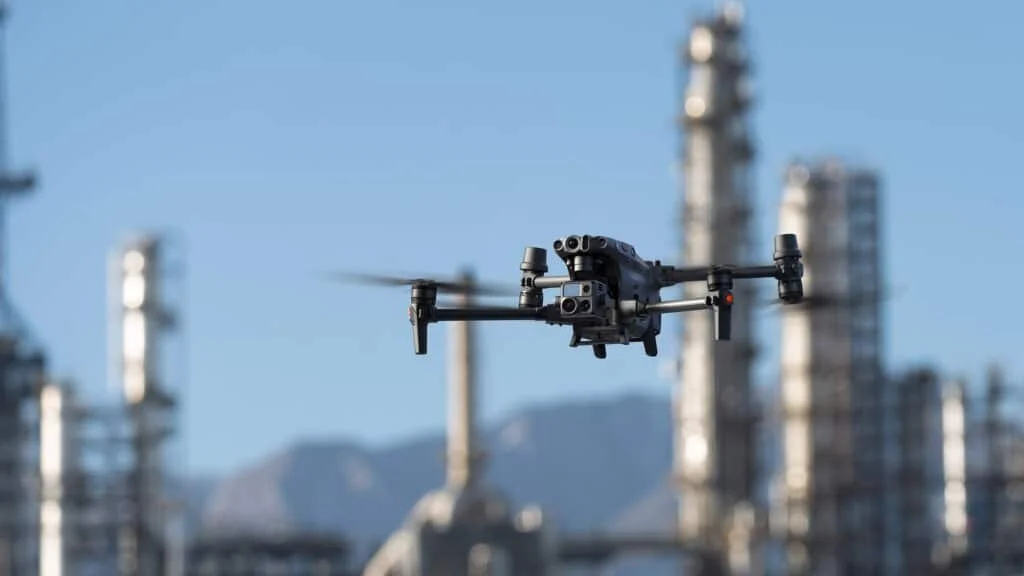
from The Drone Centre
Routine BVLOS flights for infrastructure inspection, energy production site monitoring, agriculture, public safety, delivery, recreation, and flight testing—all without individual waivers.
Operations must be at or below 400 feet AGL (above ground level) and launched from FAA-approved, access-controlled sites with defined boundaries and communication procedures.
FAA-Approved Flight Areas
Operators must secure FAA approval for each operational area, including boundaries, expected daily flights, takeoff/landing sites, and safety mitigations for lost-link scenarios.
Automated Data Service Providers (ADSPs)
A new requirement: BVLOS operators must use FAA-approved ADSPs (or serve as their own) to provide real-time traffic deconfliction between drones and crewed aircraft. All drones must yield to manned aircraft broadcasting ADS-B and be equipped with detect-and-avoid (DAA) technology.
Aircraft Standards
Drones can weigh up to 1,320 lbs with payload—a huge jump from the Part 107 55-lb limit. Instead of traditional FAA airworthiness certificates, manufacturers would follow industry consensus standards and submit a compliance declaration. Remote ID and lighting are mandatory.
Two-Tier Authorization System
Permits for lower-risk, smaller-scale operations (e.g., delivery, surveying, training) with faster processing.
Certificates for higher-risk or larger-scale operations, which would require a Safety Management System (SMS), training programs, and designated operations supervisors and flight coordinators. Notably, these positions wouldn’t require FAA pilot certificates.
Cybersecurity and Security Vetting
Operators must implement physical and cyber protection measures against unauthorized access or interference. TSA will require background checks and threat assessments for key personnel.
Recordkeeping and Reporting
Detailed logs of flights, maintenance, training, incidents, and security breaches are mandatory. Any control loss, security breach, or damage over $500 must be reported.
Operations Over People
Allowed except over large open-air gatherings like concerts or stadium events. Five categories of population density define operational restrictions and technical mitigations.
How This Changes Drone Operations
Under current rules, most BVLOS work in the energy sector depends on time-consuming waivers that limit scalability. Part 108 would:
Remove the waiver bottleneck, giving operators a predictable, repeatable process for approvals
Enable heavier, longer-endurance aircraft, opening possibilities for large-scale pipeline patrols, offshore wind inspections, and utility corridor mapping
Provide standardized safety separation through ADSP integration—critical for operating near low-altitude crewed aircraft like helicopters
Shift regulatory focus from individual pilots to operator organizations, aligning with the team-based nature of industrial drone programs
Lisa Ellman, CEO of the Commercial Drone Alliance, said in a press release, “For far too long, outdated regulations have held back the tremendous potential of the commercial drone marketplace. Today’s action marks a pivotal advancement toward modernizing U.S. drone policy.”
Energy Industry Impact for Energy Drone Programs
If finalized as proposed, Part 108 could be a catalyst for a fundamental shift in how energy companies deploy and manage drone operations—moving BVLOS from occasional, waiver-based projects to an always-on capability that’s built into standard workflows. This would encourage:
Faster Inspection Cycles and Reduced Downtime
By eliminating the need for line-of-sight observers and enabling longer, uninterrupted flights, utilities and energy operators could compress inspection schedules dramatically. For example, a multi-day transmission line patrol that once required staging crews every few miles could be completed in a single day from a centralized launch site. This speed not only cuts costs but also accelerates response to issues that could lead to outages or production losses.
Shell was able to inspect 300 miles of pipeline in just 7.6 hours with BVLOS, so the potential has already been proven.
Increased Asset Coverage and Richer Data
The higher allowable weight limit (up to 1,320 lbs with payload) means operators can fly larger drones with multi-sensor payloads—combining LiDAR, thermal, and high-resolution visual imaging in one flight. For pipeline, wind farm, or offshore platform inspections, that translates into fewer flights, more comprehensive datasets, and better-informed maintenance decisions. In remote or hard-to-access environments, the ability to gather more in a single mission can be a game-changer.
Improved Safety and Reduced Human Exposure
Many energy assets are in hazardous, isolated, or difficult-to-reach areas—from offshore rigs to high-voltage corridors. Routine BVLOS operations could replace a significant portion of manual inspections, keeping personnel out of dangerous environments and reducing the risk profile of field operations. This aligns with corporate safety goals and regulatory requirements around worker exposure.
Operational Resilience and Rapid Response
With a predictable regulatory framework, energy companies could maintain ready-to-launch BVLOS fleets positioned for rapid deployment after storms, seismic events, or equipment failures. This capability can speed restoration efforts, minimize production downtime, and enhance environmental compliance by detecting and addressing leaks or failures quickly.
Market Growth and Technology Investment
Regulatory certainty is a green light for capital investment. Energy companies—and their drone service providers—will be more willing to invest in fleet expansion, automation platforms, and AI-powered analytics when they know those systems can be used without the friction of waiver-based operations. It also opens the door for competitive differentiation: early adopters can offer faster service, richer reporting, and broader asset coverage.
We’re already seeing a wave of investment in these technologies thanks to previous announcements, other legislation changes, and Part 108 expectations.
Integration With Broader Digital Strategies
Part 108 dovetails with trends in the energy sector toward digital twins, predictive maintenance, and integrated asset management systems. Consistent, large-scale BVLOS data collection can feed these platforms with the high-quality, high-frequency data needed for real-time decision-making.
Next Steps: Comment Period
The public comment period will run for 60 days from publication, which means it closes on October 6, 2025. Industry stakeholders—including energy asset owners, operators, and service providers—should review the proposal closely and provide feedback, as final rule language could directly influence operational flexibility.
The government offers a few options for submitting comments on the proposed rule.
Part 108 is more than just a regulatory update—it’s a roadmap for scaling drone operations into routine, high-value, industrial tools. For energy decision-makers, this is the moment to assess readiness, identify opportunities, and engage in the policy process that will shape BVLOS for the next decade.
