

Beyond the Buzzwords: A Blueprint for the Digital Enterprise
/We hear a lot about how new tech will fix everything in energy, utilities and industrial facilities. It sounds great on a slide deck, but the reality on the plant floor is usually a lot messier. Siemens recently put out a briefing that cuts through the noise. Their message is simple: Your Digital Enterprise is only as good as the data you feed it.
If your company is still treating data like a side project, your digital transition isn't going to save you. Here is how the Digital Enterprise is actually being built.
1. The "Data Hunger" problem
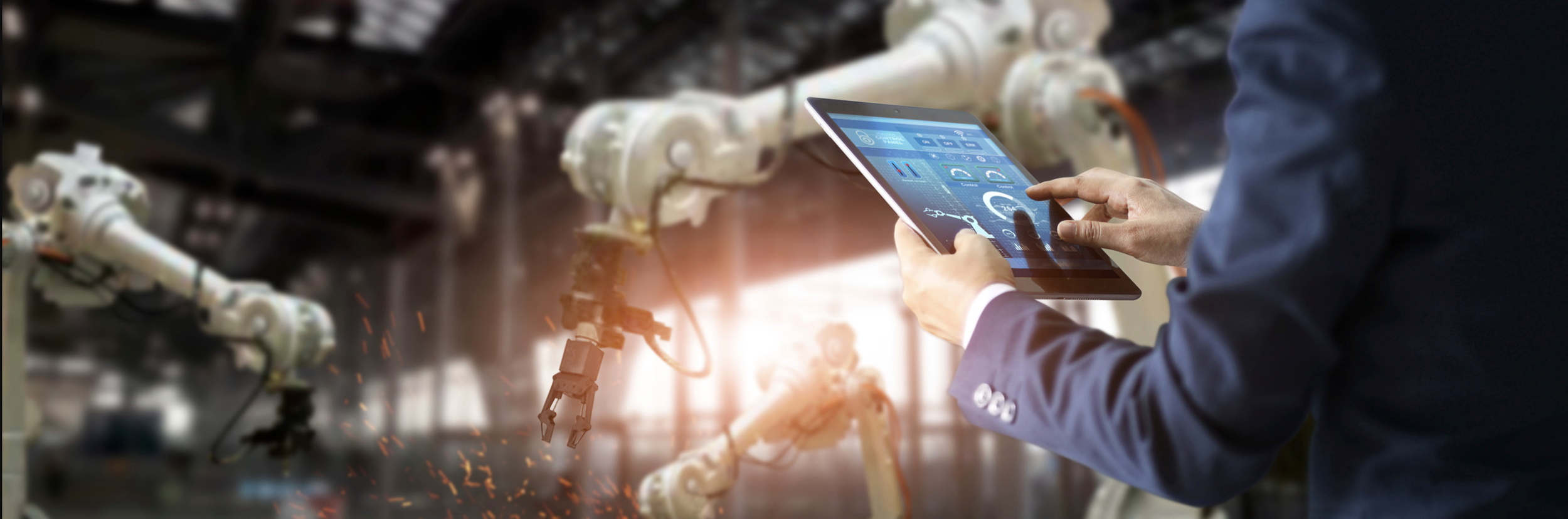
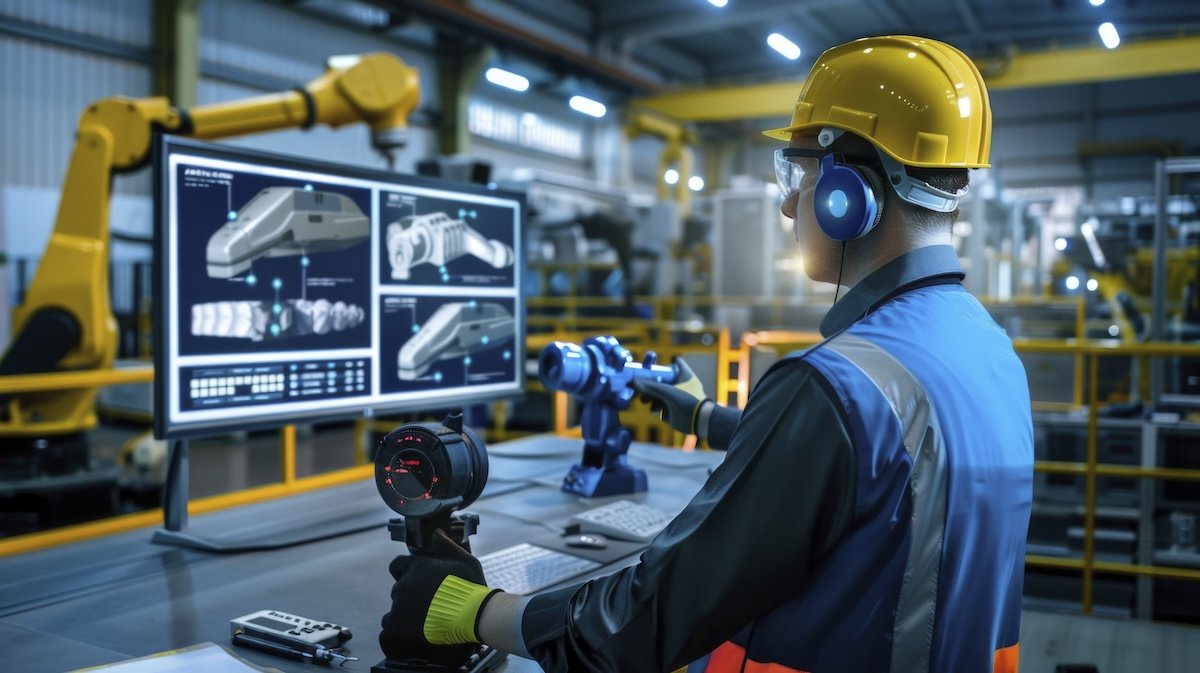
The modern Digital Enterprise is hungry. It needs massive amounts of clean, high-quality data to learn how your machines work. The problem is that most plants have their data scattered everywhere. It's in different formats, on different servers, or stuck in a machine that doesn't talk to the rest of the network.
From IIoT World
When you try to run a connected plant on messy data, you get messy results. You can't predict a failure or optimize a line if the information you're using is incomplete. To make things work, you have to break down those walls and get your data into one place.
2. The Digital Twin is the nervous system
A lot of people think a digital twin is just a cool 3D picture of an asset. That’s only the surface. A real digital twin is a live record of how an asset is built and how it’s performing right now.
Think of it as the nervous system of your plant. It connects the digital world of design and planning with the real world of production. When you have a twin that’s actually "alive" with real-time data, you can test changes in the digital space before you ever touch a piece of iron on the floor. This saves time and cuts down on waste.
3. Moving past "Pilot Purgatory"
Most companies are stuck in what people call "pilot purgatory." They have one or two small projects that work in a lab but never scale up to the rest of the company.
Why does this happen? Usually, it’s because the pilot was a one-off solution that wasn't built on a shared platform. To scale a Digital Enterprise, you need a system that works across the whole company. You need a common language for your data so that a win in one plant can be copied in another instantly.
4. Connecting the shop floor to the top floor
The goal is to create a "loop" where data flows in both directions. Your design team should see how their choices affect the machines in the field. Your maintenance team should get alerts from the digital twin before a part breaks.
This level of connection is what turns a standard olant into a true Digital Enterprise. It isn't about buying one or two fancy tools. It’s about a complete shift in how you treat your operational data. It becomes the most valuable asset you own.
5. It’s a marathon, not a sprint
Building this foundation takes time. You don't have to fix everything at once, but you do have to start. The companies that are winning right now are the ones focusing on the basics: cleaning up their data, connecting their systems, and building a roadmap they can actually follow.
Don't buy into the hype that new tech is a "magic wand" you can just wave over your problems. It’s a tool that requires a lot of fuel—and that fuel is your data.
The Industrial Digital Reality Takeaway: Stop looking for a "killer app" and start looking at your data silos. If you can't get your machines to talk to each other, you aren't ready for a Digital Enterprise. Build the foundation first, and the results will follow.
