A subscription that saves five hours of data entry each week might seem like a bargain, but what if that data is just used to generate a dashboard nobody checks? That's an illusion of efficiency.
As Bricks & Bytes points out, when margins are as slim as they are in construction, every new tool eats into profit.
BRB, gotta go create an enterprise version of Rocket Money.
The Pilot Program Graveyard
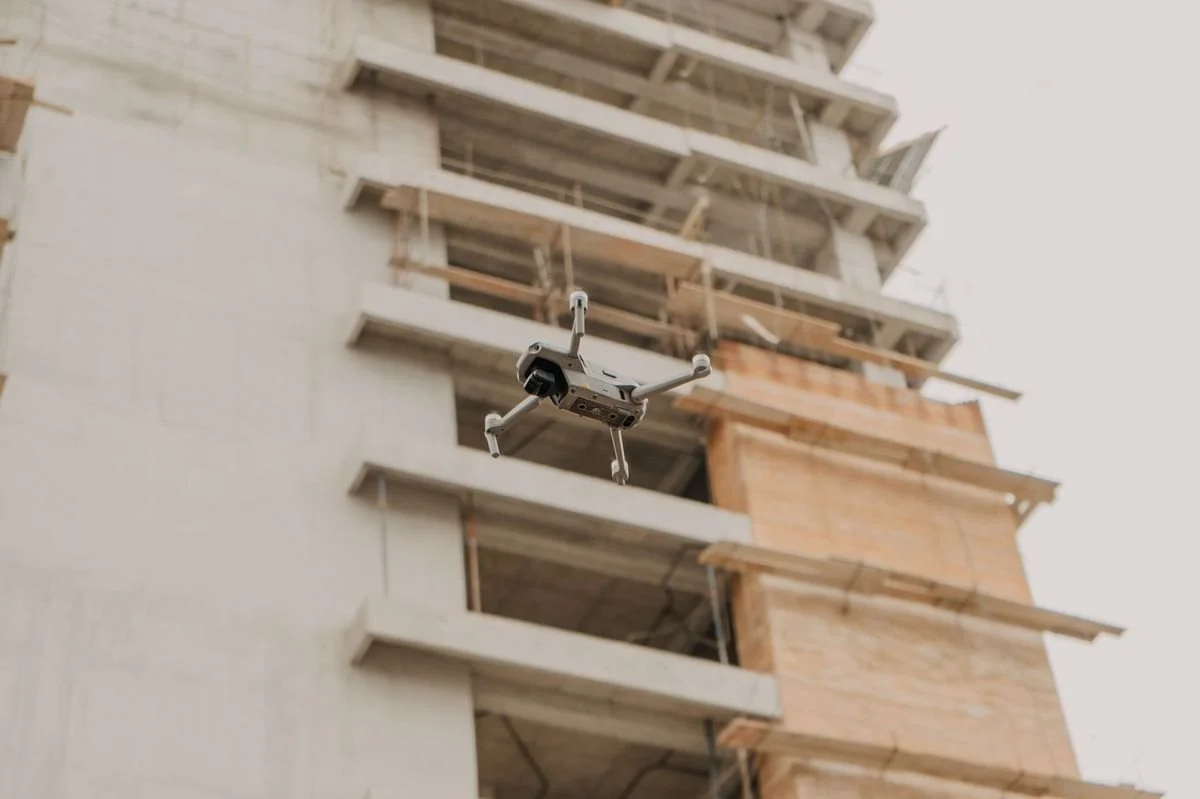
There's a new term for bringing new tech to a jobsite, taking a few impressive photos, and never deploying it again: Innovation tourism.
It's the ConTech equivalent of getting a gym membership in January, going twice, taking a bunch of selfies, and calling it a fitness strategy.
A new report from Zacua Ventures, Hilti Ventures, and 94 Ventures identifies several reasons pilots fail:
Nobody owns the deployment or takes responsibility for making it work
The first project is too complicated or poorly suited to the technology
One project absorbs the costs while the broader company gets the benefits
Field crews aren't involved in evaluating and improving the process
Successful deployments tend to start with a narrow, repeatable task; a clear owner; and a plan for using the technology again.
To Build or Not to Build?
And then there's AI. Should construction companies develop their own AI tools or buy solutions from vendors? According to McKinsey's analysis, the answer depends on where a company has a genuine competitive advantage.
For example, proprietary project data and specialized workflows may justify custom development. But re-creating software that an established vendor already maintains and improves can be a costly detour.
In other words, just because you can build your own AI solution doesn't mean you should.
The Bottom Line
The next phase of ConTech adoption may be less about what technology can do and more about whether it can consistently deliver:
When the bill comes due, innovation needs to: