

Utility Drone and Robotics Programs Are Expanding to Become Core Infrastructure
/
From SwePCO
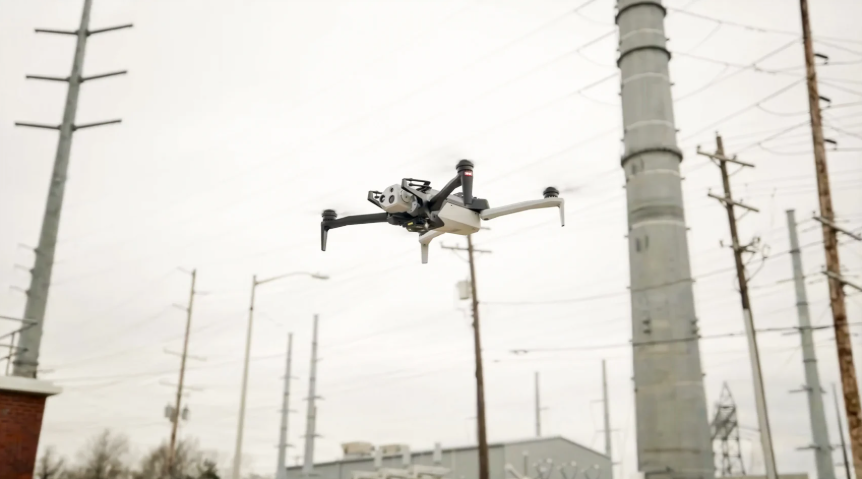
Across the utility and energy sectors, drone and robotics programs are entering a new phase of maturity. What began as a focus on inspection efficiency is increasingly becoming a permanent operational capability embedded into daily workflows.
Utilities are facing mounting pressure from aging infrastructure, growing electricity demand, wildfire risk, and workforce constraints. At the same time, expectations for reliability and response speed continue to rise. These forces are pushing organizations to adopt technologies that can monitor assets more frequently, deliver faster insights, and support decision-making at scale.
Industry leaders now describe this shift less as experimentation and more as infrastructure modernization. In a recent LinkedIn article, Censys Technologies said the challenge is no longer just flying drones; it’s building the systems architecture required to scale them across entire service territories.
That distinction matters. Many utilities have proven the value of drones in isolated applications. The next step is integrating aircraft, data workflows, compliance processes, and analytics into a unified operational system that can support thousands of miles of transmission and distribution assets.
The Drivers Behind Program Expansion
Several converging trends are accelerating the growth of utility drone and robotics programs.
First is the sheer scale of infrastructure that must be maintained. Utilities manage vast networks of lines, substations, and renewable energy assets that require regular inspection. Drones provide a way to increase inspection frequency without proportionally increasing labor costs or exposing workers to hazardous environments.
Second is the growing need for faster, data-driven decision-making. Modern drone programs are increasingly tied to analytics and AI platforms that can detect defects, prioritize maintenance, and trigger work orders automatically.
Third is regulatory and technological progress. Advances in beyond visual line of sight (BVLOS) operations, autonomous navigation, and AI-based image analysis are making it possible to monitor infrastructure continuously rather than periodically.
Real-World Case Studies of Program Growth
The following examples illustrate how utilities and energy companies are expanding drone and robotics programs across inspection, construction, and asset management workflows.
SWEPCO Expands Drone Vegetation Management
Southwestern Electric Power Company (SWEPCO) has a new drone program that’s improving vegetation management and reducing outage risk across its East Texas service territory. Using high-resolution and thermal imaging, drones help crews identify encroaching vegetation and verify trimming work more efficiently than traditional ground inspections.
SDG&E Builds on Early Utility Drone Program
San Diego Gas & Electric (SDG&E), one of the earliest adopters of utility drones, continues to expand its program to support infrastructure inspection and wildfire risk reduction. They’re using drones to inspect poles, monitor vegetation growth, and provide imagery that supports operational decisions during severe weather and high-risk fire conditions. The program demonstrates how early pilot efforts have evolved into routine operational tools.
Endeavour Replaces Helicopter Inspections with Drones
Endeavour Energy has expanded its inspection program by transitioning from helicopter patrols to drones across bushfire-prone areas of its network. The change has improved inspection speed and precision while reducing noise and environmental impact. Drones now play a central role in the company’s annual preparedness efforts by helping identify maintenance needs before peak fire season.
FAA Pilot Program Advances Large-Scale Autonomous Aviation
The Federal Aviation Administration’s new eVTOL Integration Pilot Program is testing advanced air mobility operations across multiple states, including cargo delivery, medical transport, and emergency response.
These projects are designed to build the operational and regulatory framework needed to scale autonomous aircraft nationwide, signaling the next phase of aviation technology in energy and infrastructure operations.
Duke Energy Earns Multi-Drone BVLOS Waiver
Duke Energy recently received a multi-drone beyond visual line of sight (BVLOS) waiver, which allows it to operate aircraft across larger geographic areas and in more challenging conditions. The approval marks an important step toward scaling drone operations by enabling more efficient infrastructure monitoring and faster response to potential issues.
Robots Accelerate Solar Construction
At the AES Bellefield project in California, coordinated fleets of Maximo units installed 100 megawatts of solar panels. The robots significantly increased installation speed and productivity, demonstrating how they can support the rapid buildout of large-scale renewable energy infrastructure.
Dominion Scales Asset Inspections With Visual AI
Dominion Energy has expanded its drone program into an enterprise-wide inspection system supported by visual AI and GIS technology. The platform analyzes large volumes of inspection imagery quickly and identifies potential defects automatically. The utility can now make faster maintenance decisions and more frequent inspections across the utility’s growing network.
From Innovation to Infrastructure
The expansion of utility drone and robotics programs reflects a broader shift in how energy infrastructure is managed. Using drones and robots is an expectation. Now, companies are integrating them across entire networks to standardize operations and turn data into actionable insight.
That shift—from isolated deployments to coordinated systems—is what defines the current stage of industry adoption. As programs scale, the technology is becoming less visible as a standalone innovation and more embedded in daily operations.
In practical terms, drones and robots are evolving into the next layer of utility infrastructure. They’re helping utilities monitor assets more frequently, respond faster to disruptions, and maintain reliability in an increasingly complex energy landscape.
And as energy demand continues to grow, that capability will only become more important.
Want to hear the deep dives on energy/utility case studies, and see all the tech solutions that make them possible? Then be sure to snag your seat at the 10th Annual Energy Drone & Robotics Summit in Houston this June at the best rate before they sell out.
