

The Sky is the New Front Line: Securing Critical Infrastructure in 2026
/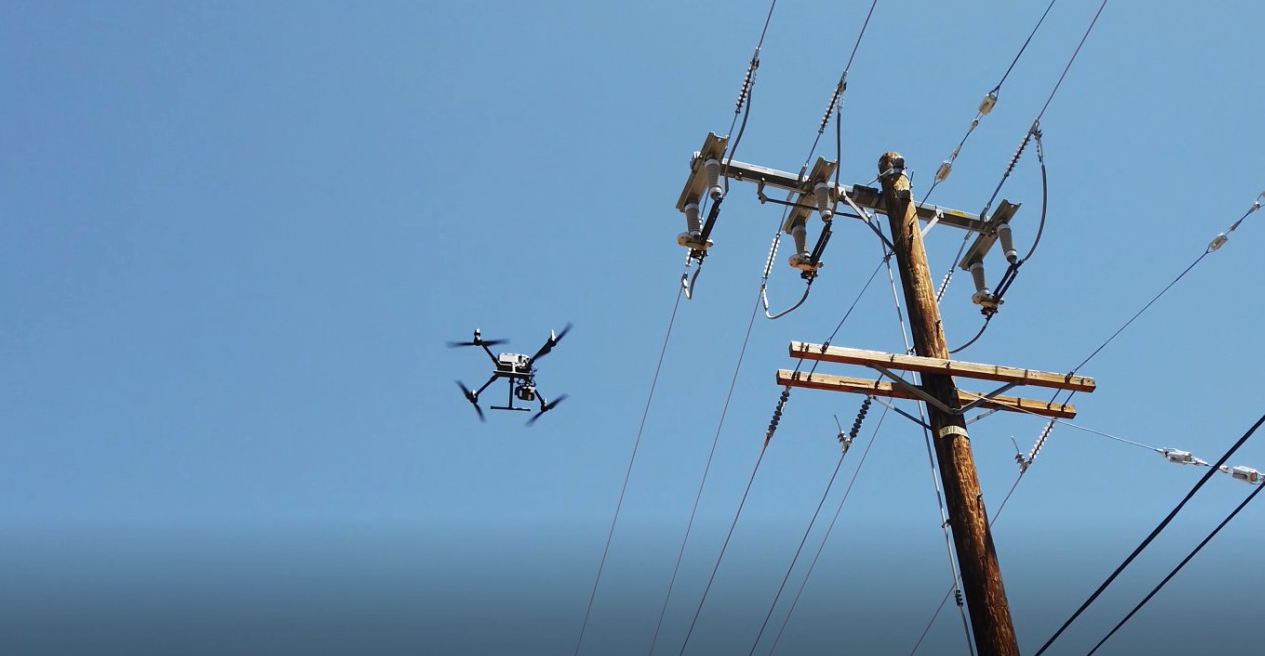
The drone industry is hitting a crossroads. While we’ve mastered using these machines to find cracks in a flare stack or rust on a transmission tower, our adversaries have been taking notes.
A recent report from NERC (North American Electric Reliability Corporation) has sent a wake up call through the utility sector.
It isn't just about "rogue" drones anymore. We are facing a real threat from state-sponsored actors and extremist groups who see our energy infrastructure as a soft target.
Here is what you need to know about the new C-UAS (Counter-UAS) playbook for critical infrastructure, drawing on the latest security priorities shared by D-Fend Solutions.
The NERC Wake-Up Call
The threat is no longer theoretical. NERC has pointed to a rise in drone incidents near substations and generating plants. These aren't just accidents. Drones are being used to map out sites, identify weak spots in physical security, and test response times.
For a utility manager, this means the airspace above your asset is now part of your security perimeter. You can't just worry about someone cutting a hole in your fence; you have to worry about what’s flying 200 feet above it.
Why "Jamming" Fails in Energy
If you manage a refinery or a chemical plant, you can’t just "jam" a drone signal. Jamming is a blunt tool that creates radio frequency noise. In a highly connected industrial environment, that noise can mess with your own sensors, your internal comms, and even your safety systems.
Worse, if you jam a drone’s signal, it might trigger a "return to home" or a "crash in place" behavior. In a crowded refinery full of pressurized lines and volatile chemicals, a drone falling out of the sky in a random spot is a disaster, not a solution.
The Move to "RF Cyber" Defense
This is why the 2026 playbook is moving toward "RF Cyber" mitigation. Instead of just knocking a drone down, this tech essentially "talks" to the drone. It identifies the specific serial number and takes control of the flight.
This allows security teams to force the drone to land in a safe, designated zone away from sensitive equipment. It provides a surgical solution that doesn't disrupt the plant’s own electronics. It turns a potential explosion into a controlled security event.
Regulatory Shifts and CIP Standards
As the threat grows, the rules are changing. There is a strong push to update physical security standards (like NERC CIP-014) to include drone defense.
In 2026, C-UAS isn't an optional "extra." It will likely be a mandatory part of your compliance stack. Asset owners who wait for the regulations to hit before they act will be left behind, scrambling to secure their airspace while the threat landscape continues to evolve.
Building the Defense Layers
A solid defense needs more than just one tool. The new standard is a layered approach:
Detection: Using RF sensors and AI-powered cameras to spot a drone miles away.
Identification: Figuring out if the drone is a friendly inspection unit or an unauthorized intruder.
Mitigation: Using non-disruptive, cyber-based tools to safely remove the threat.
The EDR News Takeaway: The sky above our critical infrastructure is no longer empty. NERC’s warning & D-Fend’s Industry Playbook is a clear signal that the status quo isn't enough. You need to move from "monitoring" drones to actively defending your airspace. Don't wait for a security breach to tell you that your fence isn't high enough.
If you want to stay ahead of these threats, and see the latest C-UAS tech in action & learn how industry is getting ready, join us at the Energy Security/C-UAS & Emergency Response Forum at the EDR Summit in June!
